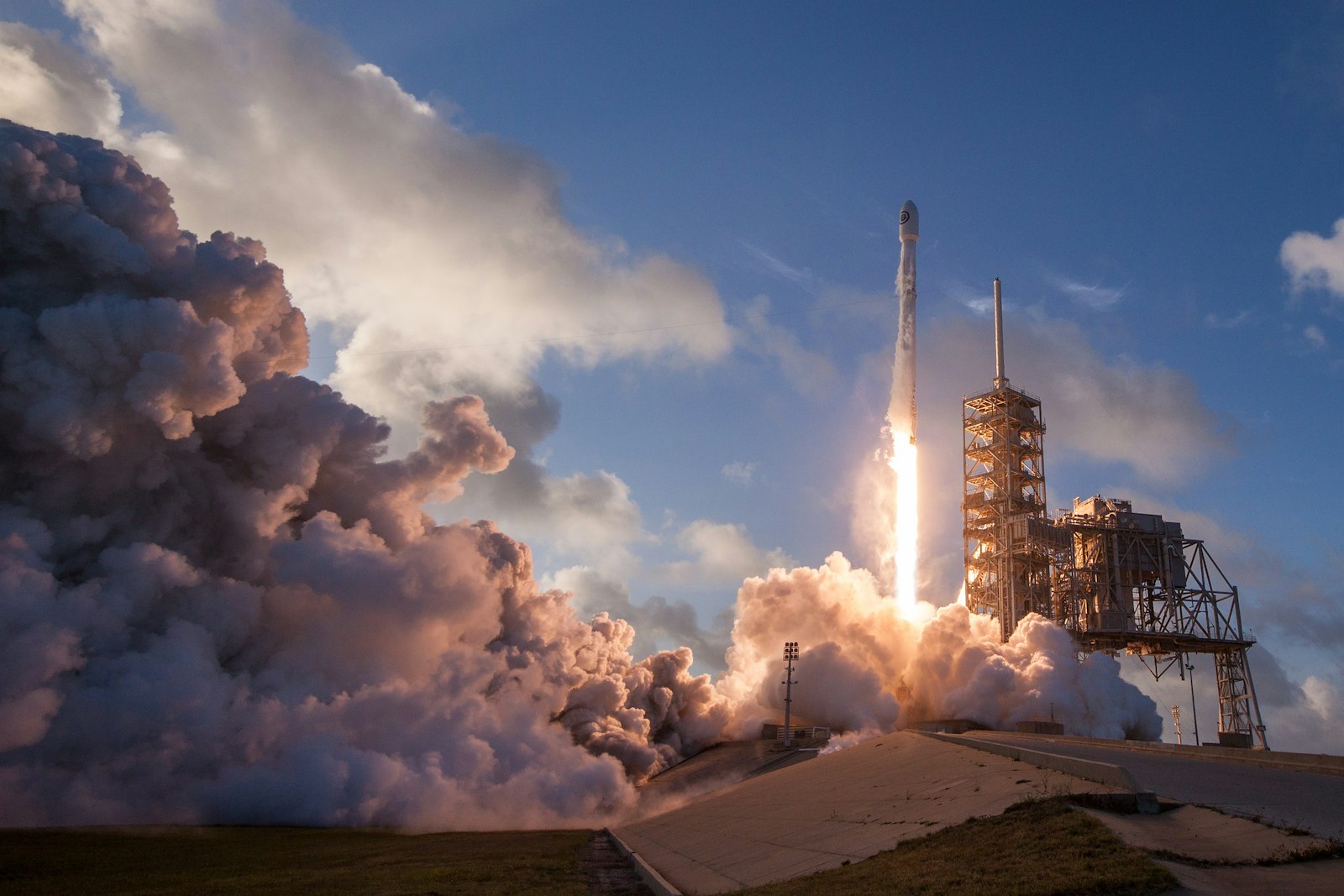
Rocket launch
Research File 005

Rockets &
Aerospace Engineering

Controlled explosions climbing out of Earth's gravity well at 28,000 km/h. The engineering that makes it possible is beautiful, brutal, and mathematically exact.
Field
Aerospace / Mech Engineering
Status
● Active Study
Inspired By
Falcon 9 booster landings
Researcher
BLX_UNKNOWN
01

How Rockets Work

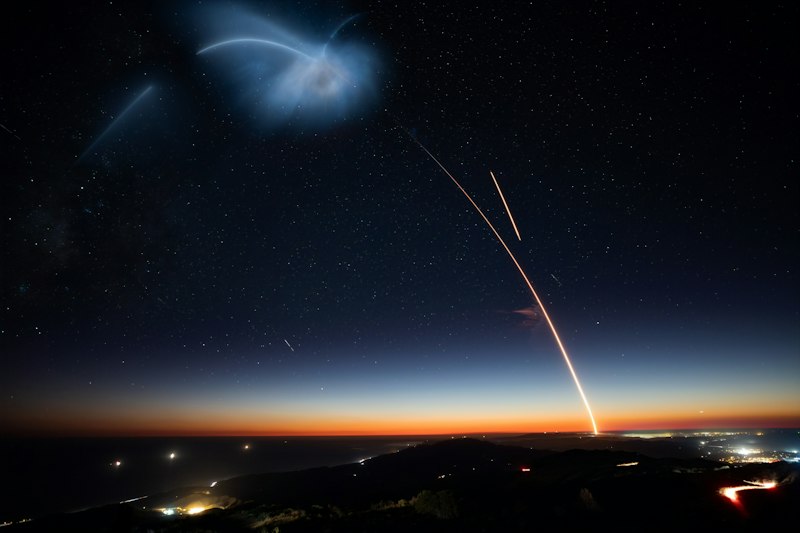
Rocket engine fire

Newton's Third Law at 3,000°C

A rocket works by expelling mass at high velocity in one direction, producing thrust in the opposite direction. That's it. Every action has an equal and opposite reaction. The challenge is doing this with enough force, efficiency, and reliability to escape Earth's gravity.


A rocket engine mixes fuel and oxidiser in a combustion chamber, burns them to create hot expanding gas, and accelerates that gas through a nozzle to maximize exhaust velocity. The faster and heavier the exhaust, the more thrust — Newton's Third Law applied at enormous scale.
// Tsiolkovsky Rocket Equation — the fundamental constraint of spaceflight
Δv = Ve × ln(m₀ / mf)

// Δv = total velocity change achievable
// Ve = exhaust velocity (engine efficiency)
// m₀ = initial mass (rocket full of fuel)
// mf = final mass (rocket empty of fuel)

// To reach orbit (~9.4 km/s Δv) with LOX/RP-1 engine (Ve ~3.3 km/s):
mass ratio needed = e^(9.4/3.3) = ~17:1 → 94% of rocket must be propellant
⚠️ The Tsiolkovsky equation is brutal. 94% of a rocket's mass is propellant. The structural parts, engines, guidance systems, and payload together are only ~6%. This is why rockets are so enormous to deliver so little. Every gram of structural weight costs exponentially more propellant.
7.8 km/s
Orbital velocity LEO
9.4 km/s
Δv needed (with losses)
~94%
Must be propellant
3,500°C
Combustion temp
02

Rocket Propellants — The Chemistry of Thrust

Rocket engines
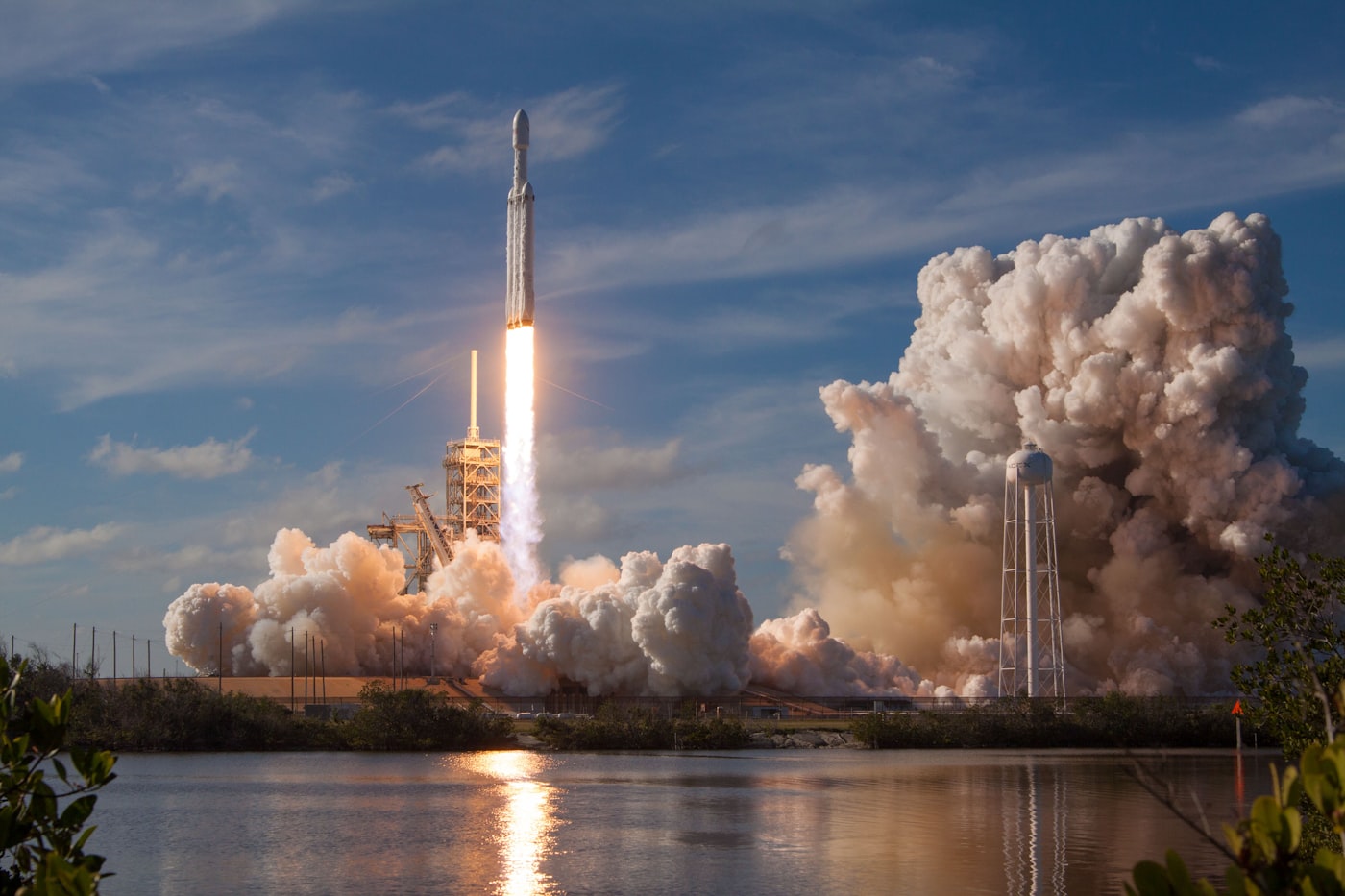
🔥Falcon 9's 9 Merlin engines burning LOX and RP-1 at liftoff. Each Merlin produces ~845 kN of thrust. Together at sea level: 7.6 MN — enough to lift 549 tonnes off the pad.
🟠
Falcon 9

LOX / RP-1 (KEROSENE)

Liquid oxygen + refined kerosene. Falcon 9's Merlin engine uses this. High density (compact tanks), good performance, simpler to handle than hydrogen. LOX stored at −183°C. Exhaust velocity ~3.3 km/s. Most common in first stages.

Isp ~311s sea level / ~340s vacuum
💧
Space Shuttle / SLS

LOX / LIQUID HYDROGEN

Highest performance of any chemical propellant. Hydrogen must be stored at −253°C — just 20° above absolute zero. Extremely difficult to handle. Best specific impulse (~450s) — the theoretical ceiling of chemical propulsion.

Isp ~453s vacuum (RS-25 engine)
🔵
Starship / New Glenn

LOX / METHANE

SpaceX Raptor engine burns this. Cleaner than RP-1, easier than hydrogen. The critical advantage: methane can be produced on Mars from CO₂ and water (Sabatier process). Starship is designed to be refuelled on Mars for the return trip.

Isp ~380s sea level / ~380s vacuum
Solid Rocket Boosters

SOLID PROPELLANTS

Pre-mixed fuel and oxidiser cast solid into the casing. Simple, storable, very high thrust at ignition. Cannot be throttled or shut down once lit. Used in Space Shuttle SRBs, military missiles, and solid upper stages.
Isp ~250–300s depending on formula
03

Orbital Mechanics — Why Orbiting Is Falling

Earth orbit

You Miss the Earth, Continuously

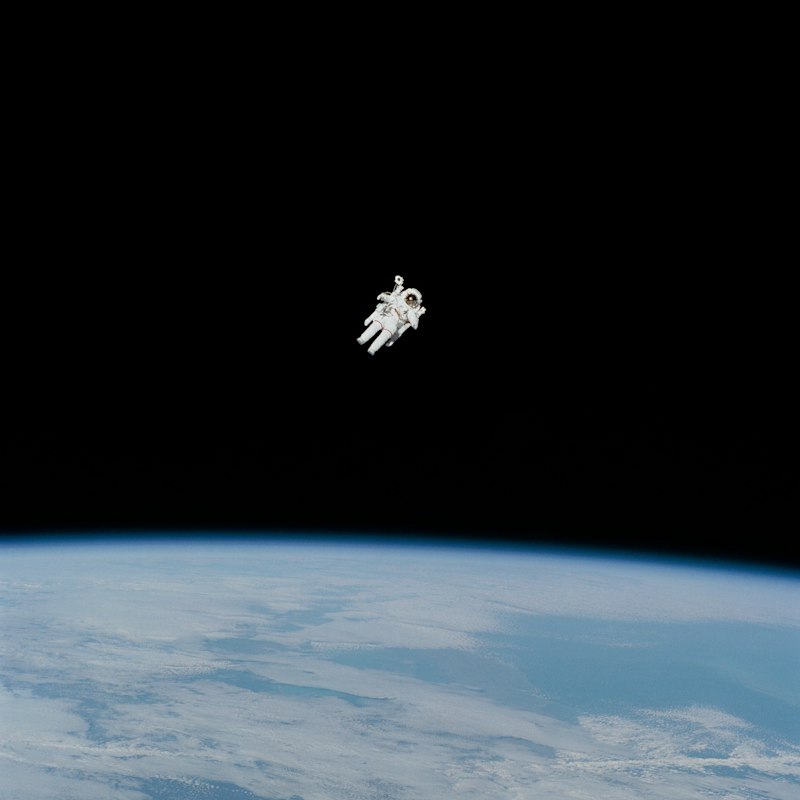
An orbit is not "escaping gravity." It is falling toward Earth while moving horizontally so fast that you keep missing. At orbital velocity (~7.8 km/s), the curve of your trajectory exactly matches the curve of Earth's surface beneath you. You fall forever without hitting anything.


There is no fuel required to stay in orbit — just the initial velocity. An orbit is a state of freefall. Everything in the International Space Station floats not because there is no gravity — gravity is nearly as strong there as on the surface — but because everything is falling at the same rate.

💰
Concept

DELTA-V (Δv)

The currency of spaceflight. Every manoeuvre costs Δv. Getting to LEO: ~9.4 km/s. Lunar orbit from LEO: ~3.2 km/s more. Mars from LEO: ~1.1 km/s more (with aerobraking). You spend Δv like money — run out and you're stuck.

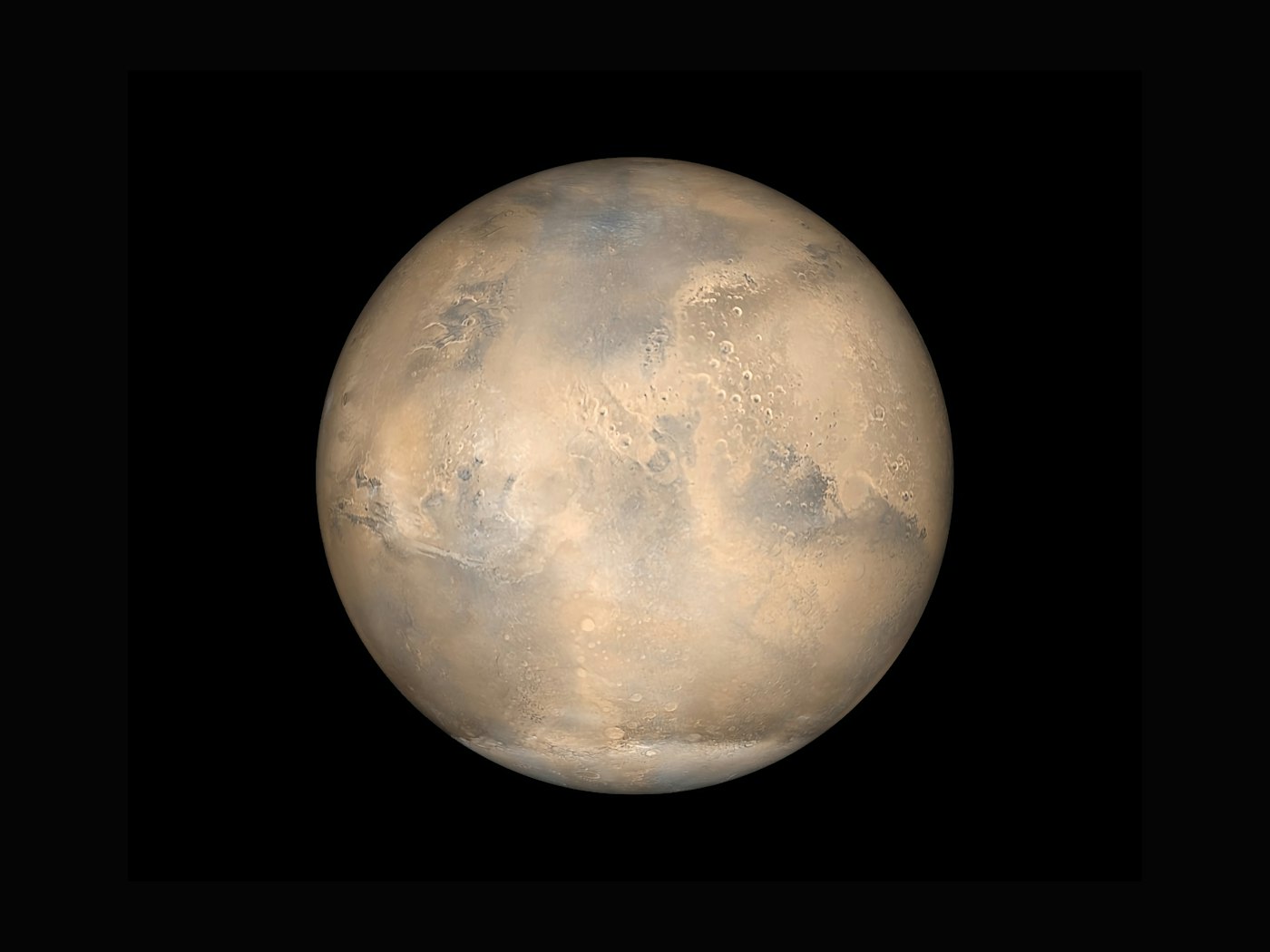
Total Δv Earth surface → Mars surface: ~17–20 km/s
🔄
Manoeuvre

HOHMANN TRANSFER

Most fuel-efficient way to move between two circular orbits. Two burns: one to enter an elliptical transfer orbit, one to circularise at the new altitude. Used for almost all orbital manoeuvres from satellite repositioning to Mars missions.

The most efficient 2-burn orbital transfer
🌍
Manoeuvre

GRAVITY ASSIST

Using a planet's gravity to gain velocity without propellant. Voyager used Jupiter and Saturn to reach interstellar space. New Horizons used Jupiter to reach Pluto in 9 years instead of 45. Essentially stealing momentum from a planet.

Voyager gained ~35,700 km/h from Jupiter
📐
Metric

SPECIFIC IMPULSE (Isp)

Engine efficiency — thrust per unit of propellant per second. Chemical rockets top out at ~450s. Ion engines reach ~10,000s. Nuclear thermal could reach ~1,000s. Higher Isp = more Δv from the same propellant mass.
Units: seconds (surprisingly)
04

Reusability — The SpaceX Revolution

Rocket landing
🚀For 60 years, every rocket was thrown away after one use. SpaceX proved that landing and reusing rocket boosters makes spaceflight dramatically cheaper. As of 2026, single Falcon 9 boosters have flown 20+ times.

A Falcon 9 costs ~$60M to build and only ~$200K to fuel. If you throw it away each time, launch costs stay high. If you can land and reuse it, cost per flight drops dramatically. SpaceX turned rockets from single-use fireworks into aircraft.

December 2015 — First Landing
Falcon 9 booster returns to land at Cape Canaveral
First time in history an orbital-class rocket booster successfully landed. The internet lost its mind. Most aerospace engineers thought it couldn't be done economically.
April 2016 — First Drone Ship Landing
"Of Course I Still Love You" — autonomous ocean platform
Landing on a moving drone ship at sea — required because some trajectories don't have enough fuel to fly back to land. Autonomous grid fins, engine restart, landing legs deployed. All in under 8 minutes after stage separation.
2023–2026 — Routine Reuse
Single boosters flying 20+ missions
What was a feat of engineering is now routine operations. Some boosters have landed and reflown over 20 times. Launch cadence accelerated dramatically — SpaceX now conducts more orbital launches per year than any nation.
Starship — Full Stack Reusability
Both stages caught by mechanical arms ("chopsticks")
Starship attempts to reuse both the booster AND the upper stage — the entire vehicle. The launch tower catches the booster with mechanical arms. If successful, this reduces launch cost by another order of magnitude toward the ultimate goal: $100/kg to orbit.
The first time I watched a Falcon 9 booster land — a 40-metre tall rocket, falling at supersonic speed, autonomously firing engines and setting itself down on a drone ship — I genuinely didn't believe it. This is the moment I became obsessed with aerospace engineering. It looked like a video played in reverse. It wasn't.
05

Open Questions

?
Can Starship achieve full rapid reusability — both stages reflying within hours? The heat shield replacement problem and the engineering of the "chopstick catch" at scale are genuinely unsolved at the time of writing.
?
What is the realistic timeline for nuclear thermal propulsion? It would roughly double the performance ceiling of chemical rockets, cutting Mars transit time significantly. The technical challenges are smaller than the political and regulatory barriers.
?
Is there a path to a space elevator? A cable from Earth's surface to geostationary orbit would revolutionise access to space. Carbon nanotubes could theoretically provide the required tensile strength — but manufacturing them at that length and quality remains far beyond current capability.
06

Resources

📺
Scott Manley
YouTube // Best rocketry explainer alive
🎮
Kerbal Space Program
Game // Real orbital mechanics simulator
📺
Everyday Astronaut — Tim Dodd
YouTube // Deep technical breakdowns
📺
Real Engineering
YouTube // Aerospace engineering deep dives
📚
Ignition! — John D. Clark
Book // Propellant chemistry history (free PDF)
🌐
SpaceX Technical Briefings
spacex.com // Official technical documents